24 February 2024| By : Abdullah Hussein
One of the most challenging flow assurance issues in oil and gas operations is gas hydrates. Gas hydrates are ice-like crystalline solids that typically form at low temperatures and high pressures when water molecules arrange themselves into cage-like structures that entrap natural gas molecules.
Gas hydrates pose a significant flow assurance risk in oil and gas fields worldwide and represent a major challenge in deepwater drilling and production operations.
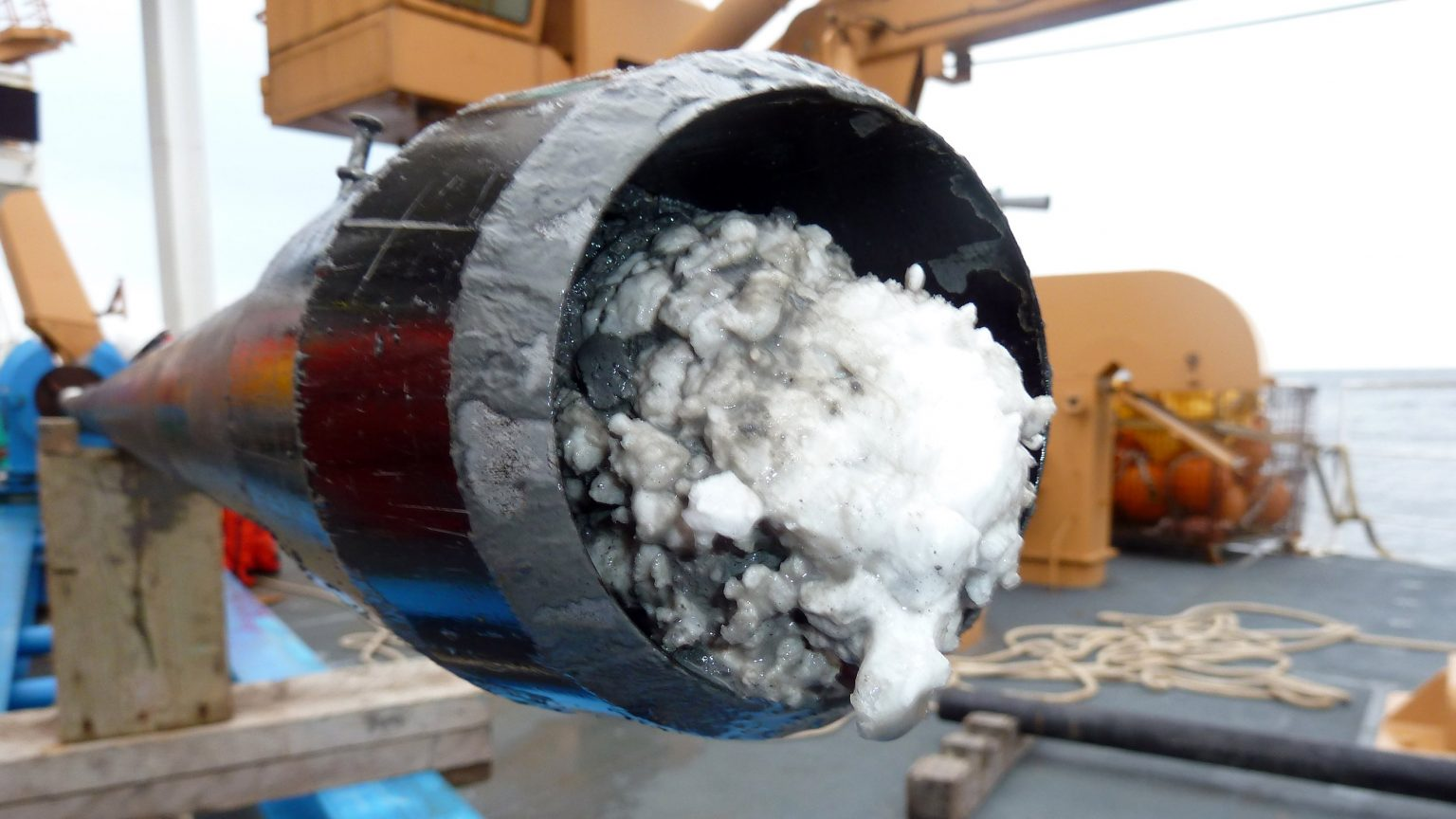
Fig.1: Gas hydrate plug (photo credit Bill Schmoker (PolarTREC 2010), © ARCUS Polar Media Archive)
The challenge is not limited to operational disruption or the cost of mitigation. More critically, gas hydrates present serious safety concerns. Hydrate plug mitigation and removal require a highly trained and experienced team, a well-designed removal plan, and, in many cases, sophisticated technologies.
In general, the main challenges associated with gas hydrate plug removal include:
- Unsuccessful plug removal, which can be particularly discouraging after prolonged and costly removal attempts.
- Release of toxic and flammable gases. As the plug begins to dissociate, hydrogen sulfide (H₂S) and other hydrocarbon gases may be released, creating a toxic and flammable environment and increasing fire and explosion risks.
- Projectile hydrate plug. This typically occurs when a plug is depressurized improperly, most commonly during single-sided depressurization. A large pressure differential across the plug may develop. Once the plug is partially dissociated and dislodged, the pressure gradient can propel the plug or surrounding debris at high velocity, potentially causing pipeline rupture, equipment damage, and fatalities. This scenario is illustrated in Fig. 2.
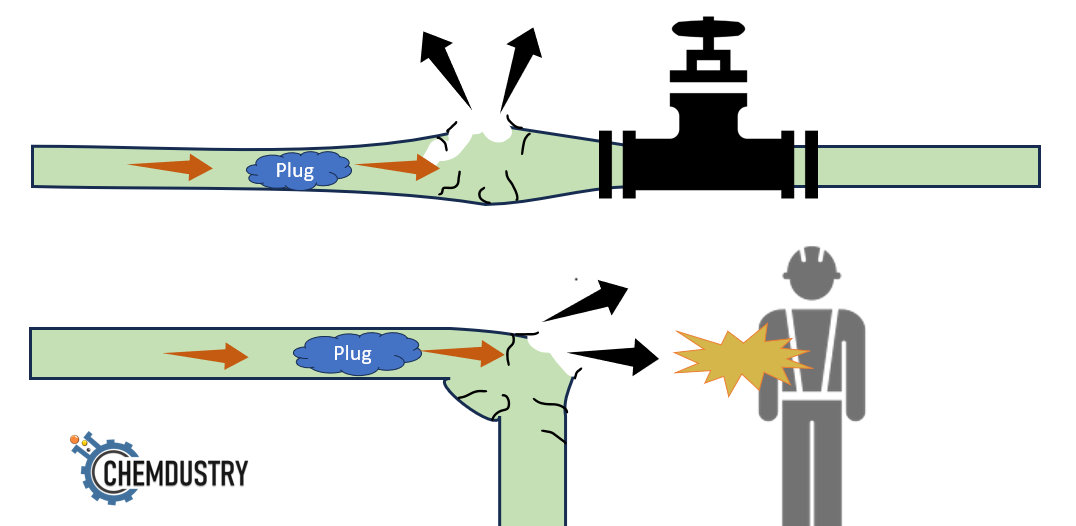 Fig.2: Problems associated with projectile gas hydrate plug during improper depressurization: pipeline rupture, equipment damage, personnel injuries or fatalities.
Key Considerations in Gas Hydrate Plug Removal Design
Gas hydrate plug removal is a complex and high-risk operation. Designing a safe and effective removal program requires a highly experienced multidisciplinary team to minimize equipment damage, personnel injuries, and environmental impact.
In general, safe and efficient gas hydrate plug removal requires:
- A skilled multidisciplinary team, typically including a gas hydrate specialist, process engineer, production chemist, and HSE officer.
- Consideration of worst-case scenarios, such as multiple plugs, projectile plugs, or pipeline rupture.
- A robust safety and risk assessment, accompanied by a practical emergency response plan.
- Patience, as plug removal may take days, weeks, or even months.
When designing a gas hydrate plug removal program, the removal strategy is primarily governed by:
- System design
- Plug location (wellbore, flowline, riser, etc.)
- Plug properties (size, strength, hardness)
- Available removal methods
Several methods may be used independently or in combination to maximize efficiency and safety. The most common methods are summarized below.
Common plug removal methods
1. Depressurization
In this method, system pressure is reduced until hydrate dissociation conditions are reached. Depressurization is recommended to be performed from both sides of the plug (two-sided depressurization), as this minimizes pressure differentials across the plug.
When applying this technique, two-sided depressurization is recommended, for safe and effective operations. However, two-sided depressurization may be unavailable due to limited access. In such cases, one-sided depressurization has been used, but it carries a higher risk of projectile plug formation if not carefully managed. One-sided depressurization should only be applied after a thorough risk assessment and when no safer alternative is available.
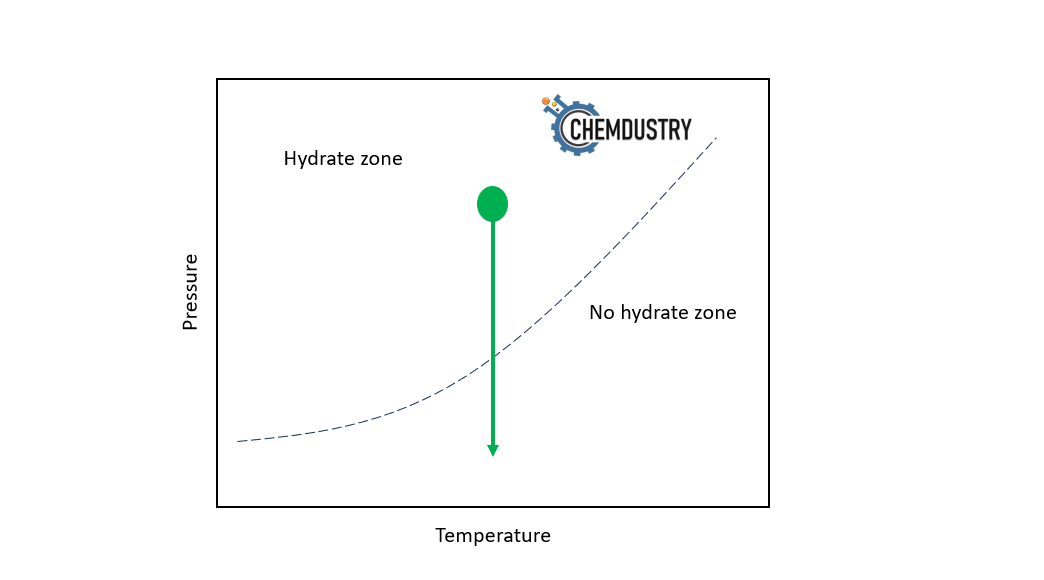 Fig.3: Plug removal using depressurization
Depressurization – Pros and Cons
Pros:
- Effective and widely applied
- Relatively economical, although extended removal durations can increase costs
Cons:
- Slow process; removal may take days, weeks, or even months (some plugs can take several months to dissolve).
- Strongly dependent on system design and complexity
- Improper execution may lead to ice formation or a stronger, more resistant plug
- Significant safety risks, including pipeline rupture, equipment damage, release of toxic and flammable gases, and potential injuries or fatalities
2. Thermal Methods
Thermal methods involve applying external heat to raise the pipeline temperature above hydrate stability conditions, thereby promoting plug dissociation. Common approaches include electrical heating and circulation of hot fluids.
Heat must be applied evenly to both ends of the plug to avoid localized pressure buildup caused by rapid hydrate dissociation, which may lead to pipeline rupture.
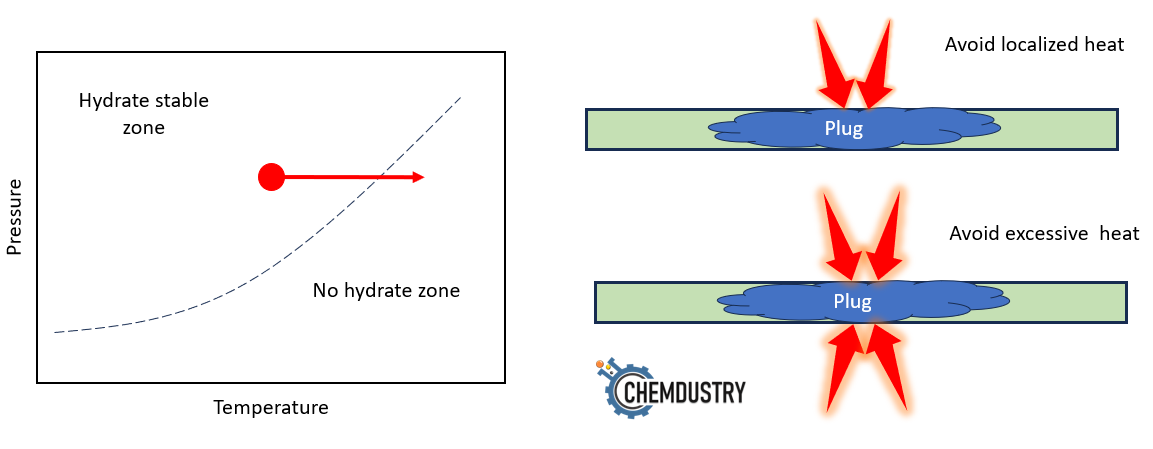
Fig.3: Precautions of heat application during GH plug removal.
Thermal Methods – Pros and Cons
Pros:
- Effective hydrate dissociation
- Fast plug dissolution
Cons:
- Safety risks associated with pressure buildup and potential pipeline rupture
- Can be costly, particularly for long pipelines or subsea systems
3. Chemical Methods
Thermodynamic hydrate inhibitors (THIs), such as methanol and glycols, are commonly used to dissociate hydrate plugs by shifting the hydrate thermodynamic equilibrium.
The efficiency of chemical dissociation depends on properties such as chemical density, viscosity, and vapor pressure. In general:
- Low-density THIs (e.g., methanol) are more effective for softer hydrate plugs or hydrate accumulations and are commonly used in pipeline applications.
- Higher-density THIs are more effective for harder plugs and are typically used in wellbore applications.
THIs are often applied in conjunction with depressurization or thermal methods to act as a cushion, reducing the risk of projectile plugs and preventing hydrate re-formation after dissociation.
Low-dosage hydrate inhibitors (LDHIs) have also been shown to enhance THI efficiency during plug removal and to reduce the likelihood of hydrate re-precipitation.
Another category includes heat-generating chemicals, which are injected to react near the plug location, generating heat in situ to promote hydrate melting.
Chemical Methods – Pros and Cons
Pros:
- Effective hydrate dissociation
- Can be combined with other methods to improve overall efficiency
Cons:
- May be slow, depending on plug properties and chemical performance
- Require reliable delivery to the plug location to ensure adequate contact
- Chemical costs can be high, particularly for long pipelines or multiple plugs
4. Mechanical Methods
Various mechanical techniques may be employed, including pigging, scratchers, and coiled tubing. The applicability of these methods depends on plug location (wellbore, piggable or non-piggable pipeline, subsea or topsides), plug properties, system design, and accessibility.
- Pigging is suitable for removing soft plugs when the pipeline is not fully blocked. The effectiveness can be enhanced by injecting THIs to prevent hydrate re-formation.
- Coiled tubing (Fig. 5) can be used in both pipelines and wellbores. It provides mechanical force, chemical circulation, and the ability to apply heat by circulating warm fluids.
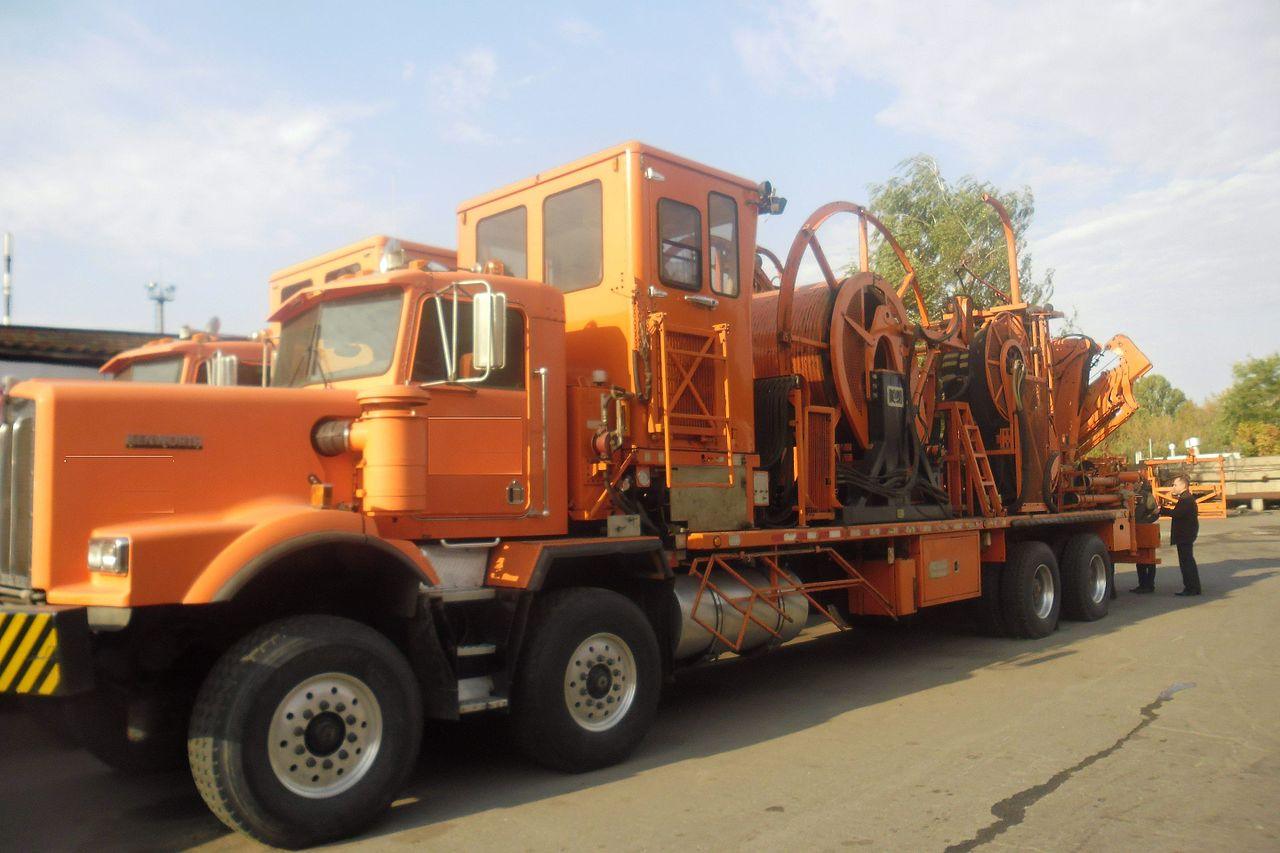
Fig4: Coiled tubing unit (source Wikipedia)
Tips for Effective Gas Hydrate Plug Removal
- Combining multiple removal methods is generally recommended.
- Maintain strict pressure control at all times to avoid pressure change, a scenarios can lead to pipeline rupture, hydrate hardening, hydrate re-deposition, or ice formation.
- Apply heat evenly across the plug to prevent localized pressure buildup and associated safety risks.
- Use chemicals consistently to act as a cushion against projectile plugs and to prevent hydrate re-precipitation.
- Coiled tubing is often considered an “all-in-one” solution, offering mechanical action, heat application, and chemical delivery.
-------------------------------------------------------------------------------------------------------
Further Reading:
- Chapter 16 - Gas Hydrate Management , Essentials of flow assurance solids in oil and gas hydrates